

Why Hair and Scalp Feel Drier When the Weather Turns
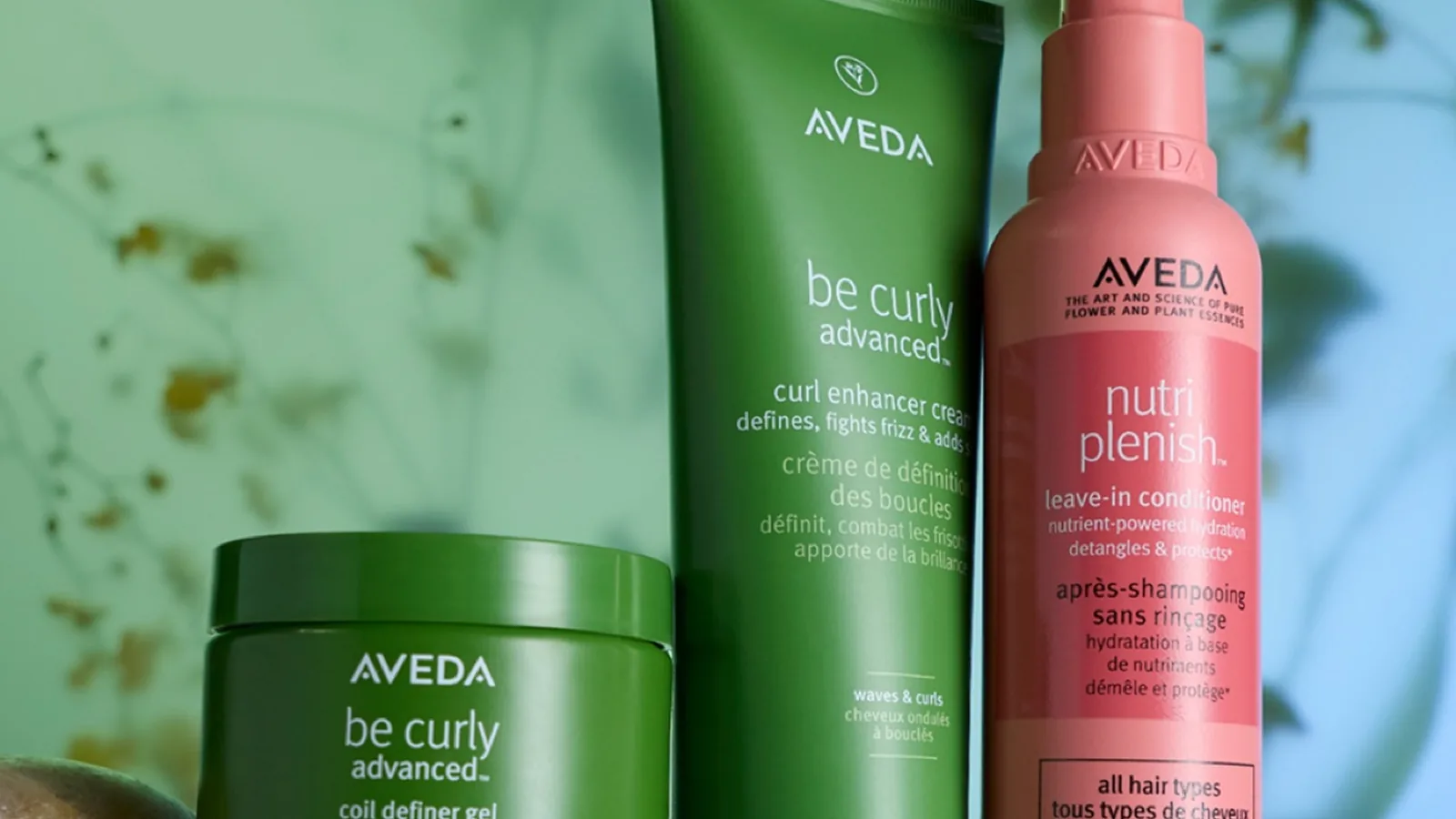
The first week the Fresno air turns cool and dry, the same hair that behaved all summer starts acting up. The scalp feels tight by afternoon, there is a little flaking at the part, and ends that were shiny in August look dull and catch on everything. Nothing is wrong with you or your hair. The air simply stopped giving moisture back, and your routine has not caught up yet.
This guide walks through what actually changes for hair and scalp when humidity drops in the Central Valley, the small home habits that make the biggest difference, and the two in-chair scalp treatments we reach for in October and November. Prices are current and listed below.
What the dry air does to your scalp
Skin on the scalp works the same way skin on the hands does. In humid air it holds onto water easily. When the air dries out, that water evaporates faster than the skin replaces it, and the outer layer gets tight and a little rough. That is the afternoon itch many guests notice in the first cool weeks. The heater at home and the blow dryer both speed it up, because warm moving air is the fastest way to pull moisture off any surface.
A dry scalp also sheds its surface cells in visible little flakes instead of invisibly, which is why some people see white specks on a dark shirt in October and assume something new is going on. Most of the time it is the same skin, just dryer. If the flakes are large, greasy, or come with redness that does not settle, that is a question for a dermatologist rather than a stylist, and we will always say so at the chair.
The fix at this layer is not more washing. Hot water and daily shampooing strip the natural oil that would otherwise slow the moisture loss. Cooler water, a shampoo day skipped here and there, and a scalp product that adds hydration back are the three changes that do the most.
What it does to the hair itself
Hair is not alive the way skin is, so it cannot repair itself, but it does swap water with the air constantly. In dry air the strand gives up water, the cuticle scales lift a little, and light stops reflecting evenly. That is the dull look. Lifted cuticles also grab onto each other and onto sweater fibers, so hair tangles more, builds static, and looks thinner because the strands are not lying flat together.
Color-treated and lightened hair feels this first, because the cuticle is already more open than untreated hair. Fine hair shows it as flatness and static. Curly and coily hair shows it as frizz and a loss of definition, since curls need moisture to hold their shape.
Two home changes carry most of the weight here. First, a leave-in product after every wash, applied to damp hair from the mid-lengths down, so the strand starts the day with moisture sealed in. Second, a lower heat setting on the dryer and iron. Most guests can drop one setting without adding drying time, and that alone keeps the cuticle calmer through the season.
- Invati Ultra Advanced Fortifying Leave-In Treatment. A lightweight leave-in for thinning or fine hair that adds moisture without weighing it down. Two to three pumps on damp hair, comb through, then style as usual.
- Invati Ultra Advanced Thickening Foam. A styling foam that gives fine hair body and grip so it does not go flat and staticky by lunch. Apply at the roots on damp hair before blow drying.
The two in-chair treatments we use in fall
Home care keeps things steady. An in-chair treatment resets the scalp, which is hard to do well in a shower at home. These are the two we book most from October through the holidays.
The exfoliating treatment is the right starting point for most guests: it lifts the dry surface layer and product buildup so everything you apply afterward actually reaches the skin. The Rest and Recovery treatment is the longer, calming option for a scalp that is tight, itchy, or simply overdue for attention. Both finish with a blowdry, so you leave with hair that looks and feels like it did in summer.
If you are booking a haircut anyway, ask the front desk about adding a scalp treatment to it. Adding a Botanical Repair, Nutriplenish, or Scalp Solutions treatment to any haircut is $40 instead of $55 this fall.
- Scalp Solutions Exfoliating Treatment w/ Blowdry, $110 to $140. A gentle scalp exfoliation and massage that clears dry flakes and buildup, followed by a hydrating rinse and a full blowdry. About an hour. The best first step when the scalp feels tight or looks flaky.
- A Rest & Recovery Scalp Treatment, $165. Our longest scalp service: cleansing, a warm massage with Aveda scalp care, a hydrating masque left to work, and a finished blowdry. Book this one when the scalp has felt uncomfortable for a few weeks and you want a real reset.
A simple fall routine, start to finish
Wash with cooler water two or three times a week instead of daily. On the days between, rinse and condition if you need to, or just refresh the roots with a little dry shampoo. Follow every wash with a leave-in from the mid-lengths down and a foam or cream at the roots if your hair runs fine. Dry on a medium setting and finish on cool to close the cuticle.
Book one in-chair scalp treatment when the weather first turns, then a second one about six weeks later if the scalp still feels dry. Most guests find that pairing, plus the home routine, carries them comfortably into January. If you already have a haircut on the books, add the treatment to that visit and it costs less than booking it on its own.
One more habit that costs nothing: turn the heater down a notch at night and put a glass of water on the nightstand. Both the scalp and the skin on your face will notice by the weekend.
What we use and sell
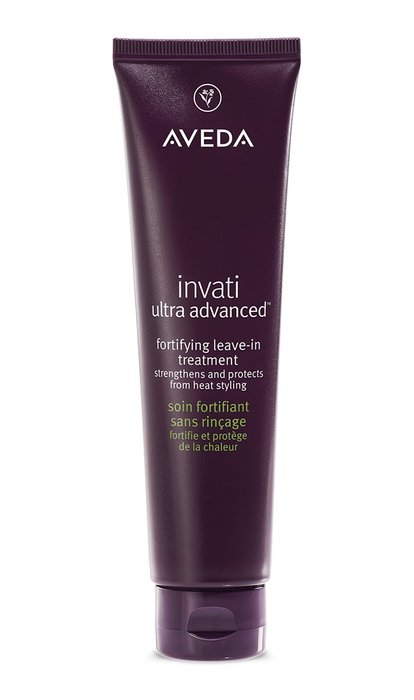
Invati Ultra Advanced Fortifying Leave-In Treatment
$47.00
Puts moisture back into fine or thinning hair after every wash without weighing it down, which is the single most useful home step once the air dries out.
In stock at the salon
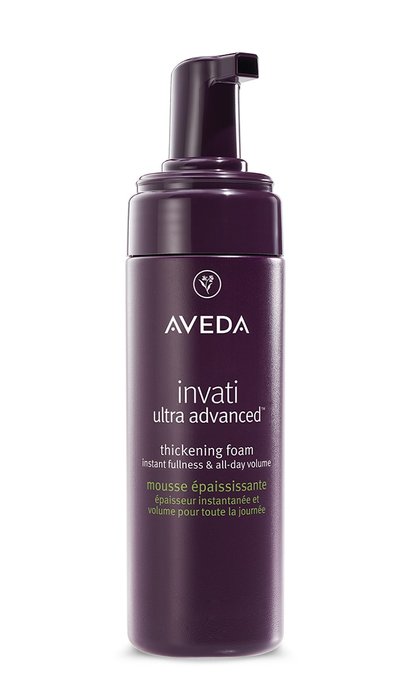
Invati Ultra Advanced Thickening Foam
$39.00
Gives fine hair grip and body at the roots so it does not go flat and staticky by midday in dry weather.
In stock at the salon
Questions we hear at the desk
Is a dry, flaky scalp in fall the same thing as dandruff?
Usually not. Fall flaking is most often plain dry skin on the scalp shedding visibly because the air pulled moisture out of it. It clears with cooler washes, fewer wash days, and added hydration. Larger greasy flakes with lasting redness are a different situation and worth a visit to a dermatologist.
How often should I wash my hair when the air is dry?
Two or three times a week works for most guests once the weather turns. Daily washing with hot water strips the oil that would otherwise slow moisture loss. On the days between, rinse and condition if you need to, or refresh the roots with a small amount of dry shampoo and leave the lengths alone.
Which scalp treatment should I book first?
Start with the Scalp Solutions Exfoliating Treatment w/ Blowdry at $110 to $140. It clears the dry surface layer and buildup so home products can reach the skin. If your scalp has felt tight or itchy for several weeks, A Rest & Recovery Scalp Treatment at $165 is the longer reset. The front desk can advise.
Can I add a scalp treatment to a haircut appointment?
Yes, and it is the easiest way to fit one in. Adding a Botanical Repair, Nutriplenish, or Scalp Solutions treatment to any haircut is $40 instead of $55 this fall. Mention it when you book so the desk sets aside the extra time, and your stylist will choose the treatment that fits your hair.
Ready to try it? Book online any time, or call the desk and we will find you a spot.
559-224-2667 · 5054 N Palm Ave, Fresno
Like reading this? Add Amenities as a preferred source and Google will show you our new posts first.
